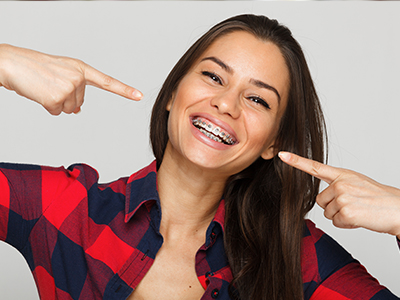
A balanced smile is a blend of form and function: teeth that sit in the right place and jaws that work together make day-to-day life easier and more comfortable. People pursue orthodontic treatment for many reasons: crowded teeth, gaps, shifted teeth after extractions, persistent oral habits, or bite patterns that interfere with chewing and speech. In some cases, the issue is not just the teeth but a mismatch between the upper and lower jaws that benefits from a coordinated orthodontic and dental approach.
Orthodontic care uses carefully designed appliances to apply small, steady forces that encourage teeth and supporting bone to move in predictable ways. While traditional metal braces remain a reliable solution for many situations, contemporary treatment offers several paths. Each system (whether fixed brackets, removable aligners, or hybrid approaches) is selected and customized to the individual’s anatomy and treatment goals.
Treatment timelines vary widely because every smile is unique. Some cases require only modest adjustment of one or a few teeth; others need comprehensive correction of the entire bite. Shorter courses may last a few months, while more complex corrections commonly take a year or more. The focus is always on creating a stable, lasting outcome rather than rushing to the finish line.
Our goal is to deliver orthodontic care that respects both appearance and oral health. At Tune Dental, we take a holistic view of each patient’s mouth, combining practical assessment with treatment options that prioritize comfort, oral hygiene, and predictable results.
A straight smile does more than look polished; it supports long-term oral health. When teeth fit together correctly and are evenly spaced, cleaning is easier and more effective. That reduces the chances of cavities and gum inflammation by eliminating hard-to-reach crevices where plaque accumulates.
Well-positioned teeth are also less likely to sustain injury. Teeth that protrude or sit outside the normal protective range of the lips are more vulnerable to impact, chips, and fractures. Proper alignment keeps the teeth sheltered by the lips and surrounding soft tissues, helping preserve their integrity.
Good alignment improves how your bite distributes forces. When teeth and jaws work in harmony, chewing becomes more efficient and even. This reduces abnormal wear on enamel and lowers the risk of developing sensitivity or fractured restorations over time.
The position of the teeth affects the way the jaw joints (TMJ) function. A balanced bite decreases unnecessary strain on the muscles and joints that open and close the mouth. Correcting significant bite problems can relieve tension-related symptoms such as jaw ache, headaches, and discomfort when opening or closing the mouth.

Deciding which orthodontic system is the best fit begins with a thorough evaluation. During an initial consultation the practice assesses tooth position, jaw relationships, oral habits, the condition of the gums and supporting bone, and any previous dental work that could influence treatment. This information helps determine whether fixed braces, clear aligners, or other appliances will produce the best, most predictable outcome.
Children often benefit from early monitoring so that the timing of intervention can take advantage of natural growth. By watching how baby teeth fall out and permanent teeth erupt, clinicians can recommend the right moment to intervene if necessary. For many young patients, early or two-phase treatment helps guide jaw growth and can reduce the need for more invasive procedures later.
Adults can pursue orthodontic care with the same goals: improved function, easier hygiene, and a more confident smile. Treatment choices for adults need to account for the current dental landscape: existing restorations, previous extractions, gum health, and any wear patterns on the teeth. A clear, step-by-step plan ensures healthy teeth and supporting structures remain at the center of care.
Severity and type of the bite issue: mild crowding versus complex jaw discrepancies
Amount of spacing or overlap among the teeth and the need for extractions, if any
The relationship between the upper and lower jaws and whether growth modification is possible
Timeframe for treatment, patient lifestyle, and how compliance (with aligner wear or appliance care) will influence results
Whether adjunctive devices are needed to support tooth movement (for example, expanders, temporary anchorage devices, or habit appliances)

Advances in materials and digital technology have reshaped orthodontic care. Brackets are smaller and more comfortable than in the past, and adhesive systems have improved to reduce irritation. Digital imaging and planning tools let clinicians map movements in three dimensions, anticipate outcomes, and design highly accurate appliance setups before any adjustments are made in the mouth.
Clear aligner therapy is one of the most visible shifts in orthodontics. Custom-made, removable trays move teeth in carefully planned stages, allowing patients to maintain normal oral hygiene routines and eat without appliance restrictions. For many teens and adults, this approach combines discretion with convenience.
Other innovations such as lingual braces (placed behind the teeth), self-ligating systems, temporary anchorage devices (TADs), and guided accelerated protocols expand the clinician’s toolkit for addressing complex cases. The practice uses these tools selectively, focusing on methods that support safe, efficient, and comfortable treatment.
Intraoral scanners, digital impressions, and 3D treatment planning help reduce surprises and improve predictability. These technologies allow the care team to visualize tooth movements, simulate results, and explain the process clearly to patients. The result is a treatment experience that feels more transparent and tailored to each individual.

The final phase of orthodontic care is retention: the period following active tooth movement when the new positions are stabilized. Teeth naturally try to return toward their original positions because the soft fibers and surrounding tissues retain a memory of where they once were. Retainers give those tissues time to reorganize so the improvements remain in place.
Retention strategies vary widely. Some patients wear removable retainers at night, while others have discreet bonded retainers placed behind the front teeth. The right approach depends on the type of correction, the patient’s habits, and the clinician’s assessment of long-term stability.
Ongoing dental care after orthodontics helps preserve the investment in a straighter smile. Regular hygiene visits, attention to gum health, and monitoring for shifts over time are all part of a comprehensive plan. With routine follow-up and sensible retainer use, many people enjoy the benefits of orthodontic treatment for decades.
If you’re considering orthodontic care or want to learn which approach best suits you or your child, the team at the practice can guide you through options and next steps. Contact us for more information about how orthodontics can improve the look, function, and longevity of your smile.
Orthodontic treatment uses controlled forces and custom appliances to move teeth and, when appropriate, guide jaw growth so the bite functions more efficiently. Proper alignment improves how teeth meet during chewing and reduces uneven wear on enamel and restorations. Many patients also find that corrected alignment makes daily oral hygiene easier and more effective.
Beyond appearance, a balanced bite can lower the risk of tooth damage and help reduce strain on the jaw joints and muscles. When teeth are positioned correctly they are less likely to trap plaque in hard-to-clean areas, which helps prevent decay and gum inflammation. Over time, these improvements support a more stable, long-lasting result.
Good candidates include patients with crowding, spacing, rotated teeth, bite discrepancies, or teeth that have shifted after extractions or wear. The condition of the gums, bone support, and any existing restorations are important factors that influence candidacy and the choice of appliances. A thorough clinical evaluation determines whether orthodontics alone is appropriate or whether coordinated dental treatment is needed.
Children, teens, and adults can all benefit from orthodontic care when problems affect function or oral health. The practice will assess overall dental health, growth potential in younger patients, and lifestyle factors such as the ability to follow treatment instructions. Individualized planning ensures that the chosen approach targets the underlying issues safely and predictably.
Early monitoring is recommended so clinicians can watch how baby teeth fall out and permanent teeth erupt and identify developing problems. Many dental organizations advise an initial assessment by around age 7 because this is when key bite relationships become clearer and intervention can be timed to take advantage of growth. Early visits do not always lead to immediate treatment but help the team decide the best moment to act.
Some children will only need periodic observation, while others benefit from early or two-phase treatment to guide jaw growth or correct habits that interfere with development. Starting treatment at the right time can reduce the need for more invasive procedures later and improve long-term stability. Parents should bring concerns about crowding, crossbites, or unusual swallowing or speech patterns to the attention of the dentist or orthodontist early on.
The most common systems include fixed brackets and wires, removable clear aligners, and hybrid approaches that combine features of both. Fixed braces attach to the teeth and are effective for a wide range of tooth movements, including complex rotations and vertical adjustments, while clear aligners use a series of removable trays to stage tooth movement incrementally. Other appliances such as palatal expanders, habit appliances, and temporary anchorage devices (TADs) serve specific roles in guiding growth or providing stable anchorage.
Selection depends on the severity and type of the bite issue, the condition of the gums and supporting bone, and patient lifestyle and compliance. Fixed appliances require less day-to-day cooperation from the patient but may pose different hygiene challenges, whereas removable systems demand consistent wear to achieve planned results. The clinician balances these factors to choose a method that offers the best predictability for the individual case.
Clear aligner therapy offers a discreet, removable option for many mild-to-moderate tooth movements and is popular with teens and adults who prefer less-visible treatment. Aligners allow patients to maintain normal brushing and flossing routines and avoid certain dietary restrictions associated with fixed appliances. However, aligners require disciplined wear (typically most of the day) to achieve the intended movements.
Traditional braces remain the preferred choice for many complex movements, significant bite corrections, and certain vertical or rotational changes where continuous force and bracket control are advantageous. The success of either approach depends on careful diagnosis, digital treatment planning, and ongoing clinical supervision. In some cases a combined strategy or additional appliances are used to reach the desired outcome safely.
During the first visit the team will review your dental and medical history, perform a clinical exam, and capture diagnostic records such as photographs, digital scans, and any needed X-rays. This information helps the clinician evaluate tooth positions, jaw relationships, gum health, and previous dental work that could affect treatment. The consultation also provides time to discuss the patient's goals, lifestyle considerations, and any concerns about function or appearance.
After assessment the practice will outline appropriate treatment options, explain the anticipated sequence of care, and describe retention strategies to preserve results. Patients receive a clear explanation of what to expect at regular appointments and how to care for appliances and maintain oral hygiene during treatment. The team welcomes questions and aims to ensure each patient understands the path forward before care begins.
Treatment length varies widely depending on the complexity of the problem, the type of appliance used, and individual biological response to tooth movement. Some simple corrections can be completed in several months, while comprehensive bite correction often takes a year or more. Growth in younger patients, the need for extractions or adjunctive procedures, and the presence of restorations or periodontal issues can extend the timeline.
Patient cooperation also has a strong effect on duration; consistent aligner wear, careful appliance care, and adherence to scheduled appointments help keep progress on track. The clinician monitors movement at follow-up visits and may adjust mechanics or introduce auxiliary devices to optimize efficiency. Periodic progress reviews help the team and patient maintain realistic expectations throughout treatment.
Digital tools such as intraoral scanners, 3-D imaging, and computerized treatment planning allow clinicians to visualize tooth movements and simulate outcomes before appliances are placed. These technologies improve diagnostic accuracy, help predict how long treatment will take, and enable the fabrication of highly customized appliances and aligner sequences. Digital records also make it easier to communicate the plan clearly to patients so they understand each stage of care.
When used thoughtfully, digital planning reduces surprises and increases predictability by allowing the team to anticipate challenges and refine mechanics in advance. It can also streamline visits by shortening appointment times and improving the fit of appliances. Ultimately, technology supports safer, more efficient care when combined with experienced clinical judgment.
Retention is the phase that stabilizes tooth positions after the active movement stage and is essential because teeth and soft tissues tend to drift toward their original positions. Retainers may be removable, worn full-time and then at night, or fixed retainers bonded behind the front teeth for patients who need continuous stabilization. The choice depends on the type of correction, the patient’s habits, and the clinician’s judgment about long-term stability.
Ongoing dental care and periodic monitoring help preserve the investment in a straighter smile by addressing gum health, checking for minor shifts, and replacing or adjusting retainers as needed. Patients are encouraged to maintain good oral hygiene and attend routine follow-ups so small changes can be managed before they progress. With consistent retainer use and sensible follow-up, many patients enjoy long-term benefits from orthodontic care.
Adult patients often present with fully developed jaws, existing restorations, or gum recession that must be considered when planning tooth movement. Periodontal health, the condition of crowns or implants, and past extractions are all evaluated to ensure treatment is safe and effective. Tooth movement in adults can be slower and may require collaborative care with general dentists or specialists to manage restorative or periodontal needs.
Many adults benefit from discreet options and shorter-term approaches when appropriate, and interdisciplinary planning can address both functional and aesthetic goals. The team at Tune Dental works with adult patients to create tailored plans that respect current dental work and long-term oral health. Age alone is not a barrier to orthodontic improvement when proper assessments and maintenance are in place.