Invisalign® for Teens

An innovative, discreet, and effective system of care, Invisalign® treatment offers a cosmetic way to align your smile with minimal interference to daily activities.

Invisalign® for Teens

Invisalign® for Brides

Invisalign® for Travelers
Before & After Photos
Invisalign® Videos
FAQs
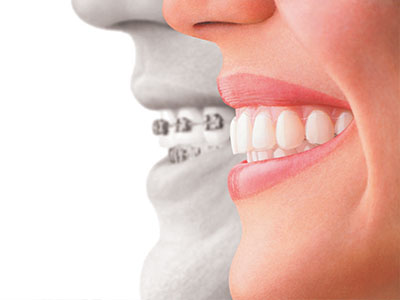
Invisalign® vs Braces
Invisalign® vs Direct-To-Consumer Aligners
Is Invisalign® Right For Me?

Invisalign® Costs
With aligners that are practically invisible, only you will know that you're undergoing orthodontic care!
Invisalign® utilizes 3-D computer imaging technology to correct problematic bites or malocclusions by planning a complete sequence of custom-made clear aligners. This series of clear aligners incrementally move the teeth into place until the final desired corrections are reached.
As pioneers in the field of aligner development and technology, the folks at Align Technology, Inc. gather data from millions of treated smiles to design treatment systems that:
Custom-made to the exact specifications of your smile, Invisalign® clear aligners are designed to incrementally move your teeth into their correct positions over time. Simply swap-out last week's aligner for the next one in the series and watch as your smile progressively shows signs of improvement.
And, because Invisalign® clear aligners are removable for short periods of time, you can still enjoy the foods you love as well as brush and floss your teeth with ease!
Remember, a beautiful smile begins today! Contact our office for more information and to schedule a consultation for care.

Your doctor will examine your teeth and show you what Invisalign® treatment can do for you.
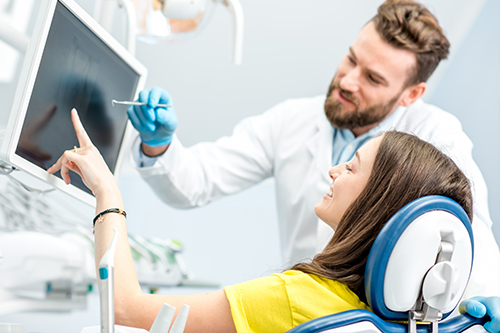
Start with a fast, precise digital scan. Then your doctor will map out a custom treatment plan just for you. You will even get a preview of your smile.
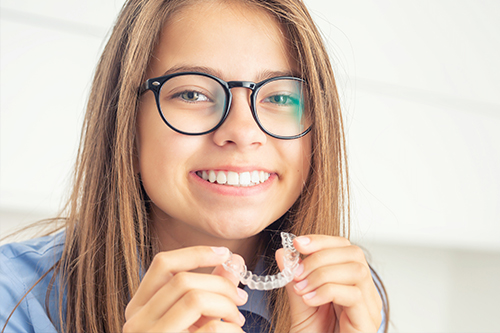
Your clear aligners are created using industry leading technology based on your customized treatment. Your aligners are created with comfort in mind.

From the first day of treatment to the last, you're never on your own — your doctor will be with you every step of your way.
Explore the true stories and journeys of several Invisalign® patients
*Invisalign® is a registered trademark of Align Technology, Inc.
There are many options for patients who want to avoid metal braces! The most popular alternative orthodontic treatment is Invisalign®, which are clear plastic aligners designed to straighten teeth. After an examination of your teeth, your dentist will determine which option is best suited to your wants and needs.
According to the Invisalign® website, the cost for treatment is approximately the same as the cost for metal braces. A portion of this cost may be covered by your insurance. Please call us to set up a consultation and discuss potential payment plan options.
The first step is to schedule a consultation with your doctor, so they can devise a treatment plan that is best suited to your individual dental needs. Once approved, you will receive your first set of aligners. Your doctor will then regularly monitor the movement of your teeth and new aligners will be ordered according to the progress made in your treatment plan.
Invisalign® aligners are made of clear, flexible plastic. The company received a patent for this material – SmartTrack® – to be used exclusively for Invisalign treatment purposes. These aligners are FDA approved and nearly invisible!
Your doctor will give you an estimate regarding how long your Invisalign® treatment should take, which will depend on your specific needs. The average length of time for treatment is approximately 12-18 months. However, some patients may see results far sooner. Remember to wear your aligners exactly as instructed by your doctor to obtain the best results.
Your doctor will most likely recommend that you wear retainers following your Invisalign® treatment. This is a precaution that will prevent your teeth from shifting back to their original positioning. It is important to follow your doctor's instructions exactly to ensure long-lasting results.
You must wear your aligners for up to 22 hours daily. You may remove them for eating, drinking and regular oral hygiene.
No. Unlike braces, you may eat whatever you like as long as you remove the aligners before eating. Prior to placing the aligners back on, it is important to brush your teeth and the aligners after you eat.
Like any orthodontic treatment, there is a short adjustment period. The more you speak with the aligners on, the quicker you will adjust.
There will be some pressure and minor discomfort for a day or two after each initial insertion. This is a sign that your teeth are moving sequentially into their final position.
It is recommended that you remove your aligners prior to chewing gum as the gum will stick to the aligners.
We discourage smoking with aligners as the cigarette smoke will tend to discolor them.
Brushing them with toothpaste will keep them fresh and clean.
Regular office visits are every five to six weeks. This will ensure that your Invisalign treatment is progressing as planned.
All orthodontic patients are instructed to wear their retainers at night indefinitely. Sleeping with your retainers in at night will ensure a healthy bite and maintain the new position of your teeth.
Yes, if their teeth, including second molars, have grown in completely.
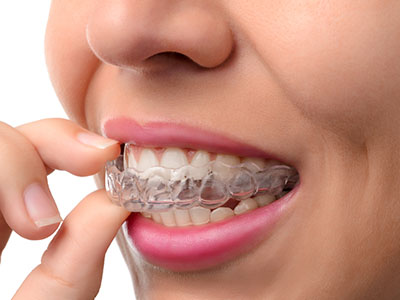
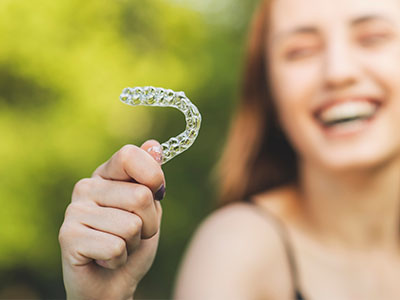
Invisalign® uses a series of clear, removable aligners to guide teeth into improved positions. The aligners are custom-made from digital scans so each tray fits closely to your dental anatomy and applies controlled forces. Because the system avoids brackets and wires, it offers a low-visibility option for people who prefer a discreet approach to orthodontic care.
Unlike fixed braces, aligners can be removed for eating and oral hygiene, which simplifies brushing and flossing during treatment. Tooth movement is staged through successive aligners, producing gradual changes that many patients find more comfortable than large adjustments. Clinical supervision remains essential to ensure aligners address both cosmetic alignment and functional bite issues where appropriate.
Good candidates are people whose alignment concerns fall within the range that clear aligner therapy can reliably treat, including mild to moderate crowding, spacing, and many bite issues. At Tune Dental our clinicians evaluate tooth positions, gum health, and existing restorations to determine whether aligners are the best option. Teen and adult patients alike often choose aligners when they prefer a less noticeable treatment that fits into daily life.
Some complex orthodontic cases may require alternative or combined approaches, and the presence of untreated periodontal disease or extensive restorative needs can affect candidacy. A thorough clinical exam and diagnostic records let your provider determine suitability and outline any preparatory care that may be needed. Shared decision-making helps set realistic goals and expectations before treatment begins.
Treatment begins with a precise intraoral scan that produces a three-dimensional model of your teeth and bite. That digital record is used to create a step-by-step virtual treatment plan showing how each tooth will move from its current position to the planned outcome. The digital workflow allows clinicians to preview projected results and make clinical adjustments before any aligners are fabricated.
The software can also identify where small auxiliaries or attachments will be helpful to guide specific movements, and clinicians review these details to optimize efficiency. This level of planning improves predictability and reduces the need for unexpected changes during treatment. Clear visualization also helps patients understand the phases of care and the rationale behind proposed movements.
Your treatment typically begins with an initial consultation, a full dental exam, and diagnostic records including scans or x-rays when indicated. After the treatment plan is developed and reviewed with you, a series of custom aligners is produced and you receive instructions on how long to wear each tray. Regular follow-up appointments let the dentist monitor progress and confirm that tooth movement matches the plan.
If refinements are needed, additional scans and a new set of aligners can be created to continue moving teeth toward the intended outcome. Throughout the process your clinician verifies gum health, checks restorations, and addresses any fit issues with the aligners. Clear communication at each stage keeps expectations aligned and supports a smoother treatment experience.
The length of treatment depends on the complexity of the case, the types of movements required, and how consistently aligners are worn each day. Your clinician will review diagnostic records and the digital plan to describe typical timelines appropriate for your specific needs rather than relying on generic ranges. Ongoing monitoring allows the team to track progress and recommend any refinements that may affect the overall schedule.
Because results hinge on adherence to the prescribed wear schedule and clinical guidance, clear communication at the outset helps set realistic expectations about duration. If unexpected issues arise, the treatment plan can be adapted and additional aligners can be prescribed to refine tooth positions. Regular check-ins support predictable progress and timely completion when feasible.
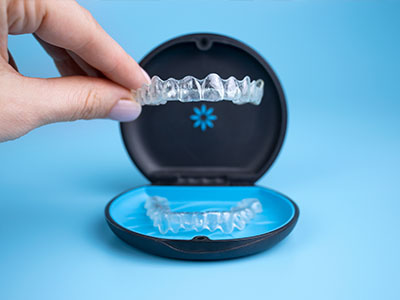
Caring for aligners is straightforward: remove them for eating, rinse them after meals, and gently brush them with a soft brush and lukewarm water to keep them clear and odor-free. Avoid hot water or harsh cleaners that can warp or damage the plastic. When not in use, store aligners in their protective case to prevent loss or contamination.
Maintaining excellent oral hygiene is equally important while wearing aligners, so brush and floss before reinserting trays to reduce the risk of decay and staining. Regular dental cleanings and checkups help the clinician monitor gum health and identify any issues early. Following simple daily routines preserves both your oral health and the clarity of the aligners throughout treatment.
Many patients experience a brief period of adjustment when starting a new set of aligners, often described as tightness or mild pressure that typically eases within a few days. That sensation is a normal part of tooth movement and usually subsides as your mouth adapts to the new tray. If an aligner produces a sharp edge or persistent soreness, the dentist can smooth or adjust it to improve comfort.
Some people notice a temporary lisp or change in speech during the first few days of wearing aligners, but most adapt quickly with normal conversation and practice. Removable nature of aligners also means you can take them out for short periods if necessary for important events, while still maintaining overall compliance. Staying in close contact with your clinician ensures fit and comfort remain priorities throughout treatment.
Attachments are small tooth-colored composite bumps bonded to selected teeth to give the aligner something to push against and improve the effectiveness of certain movements. They are discreet and designed to be as unobtrusive as possible while allowing the aligners to apply targeted forces. Attachments are planned digitally and placed by your dentist when they will help achieve better control over complex movements.
Attachments are removed once the movement is complete and the tooth surface is polished to restore the natural enamel appearance. Their placement does not typically interfere with brushing or daily care, although patients should be mindful to maintain good hygiene around them. The use of attachments is a common refinement that increases the predictability of many aligner cases.
After active alignment is complete, retention is an essential step to preserve the new tooth positions and prevent relapse. Your dentist will recommend a retention plan tailored to your needs, which may include removable retainers or a bonded retainer depending on the teeth involved and your long-term goals. Following the prescribed retention schedule helps protect the investment made during active treatment.
Periodic follow-up visits allow the clinician to check retainer fit and monitor any minor changes over time, and adjustments can be made if needed. Good daily habits, routine dental care, and wearing retainers as directed support stable, long-lasting results. Open communication with your provider ensures the retention plan remains practical and effective for your lifestyle.
Care begins with a focused clinical review where the team assesses dental health, bite relationships, and any restorative work that could affect orthodontic outcomes. Digital scanning creates a precise baseline and supports a customized treatment plan that reflects your aesthetic priorities and functional needs. Your clinician discusses the proposed plan, expected milestones, and any preparatory steps so you leave the consultation with a clear understanding of the process.
Throughout treatment the practice monitors progress with scheduled reviews and makes refinements when necessary to stay aligned with your goals. The approach emphasizes minimally invasive techniques and patient-centered communication so the plan fits your life while delivering reliable results. To learn more or schedule an initial evaluation, request a consultation with the office team in Fullerton who can answer questions and outline the next steps.